Introduction
Australia is renowned for its breathtaking landscapes, special wildlife, and adventurous exterior activities. Nonetheless, it is likewise home to several of the world's most poisonous serpents. As thrilling as checking out the Australian wilderness can be, it's vital to be notified regarding just how to avoid snake attacks and what to do if you run into a serpent or get bitten. In this detailed guide, we'll cover whatever from recognizing typical serpents like the tiger snake, understanding their habitats, and learning effective emergency treatment actions for snake bites. So, let's study the world of Australian snakes and find means to enjoy our outside adventures safely.

Avoiding Snake Bites in Australia: Tips for Safe Outdoor Activities
When venturing outdoors in Australia, it's vital to be knowledgeable about your environments. Snakes are commonly masked and can blend flawlessly into their setting. Here are some pointers to aid you remain risk-free:
Wear Suitable Clothing: Constantly use lengthy pants and tough boots when hiking or strolling in areas where serpents may be present. This outfit can offer an obstacle versus prospective bites.
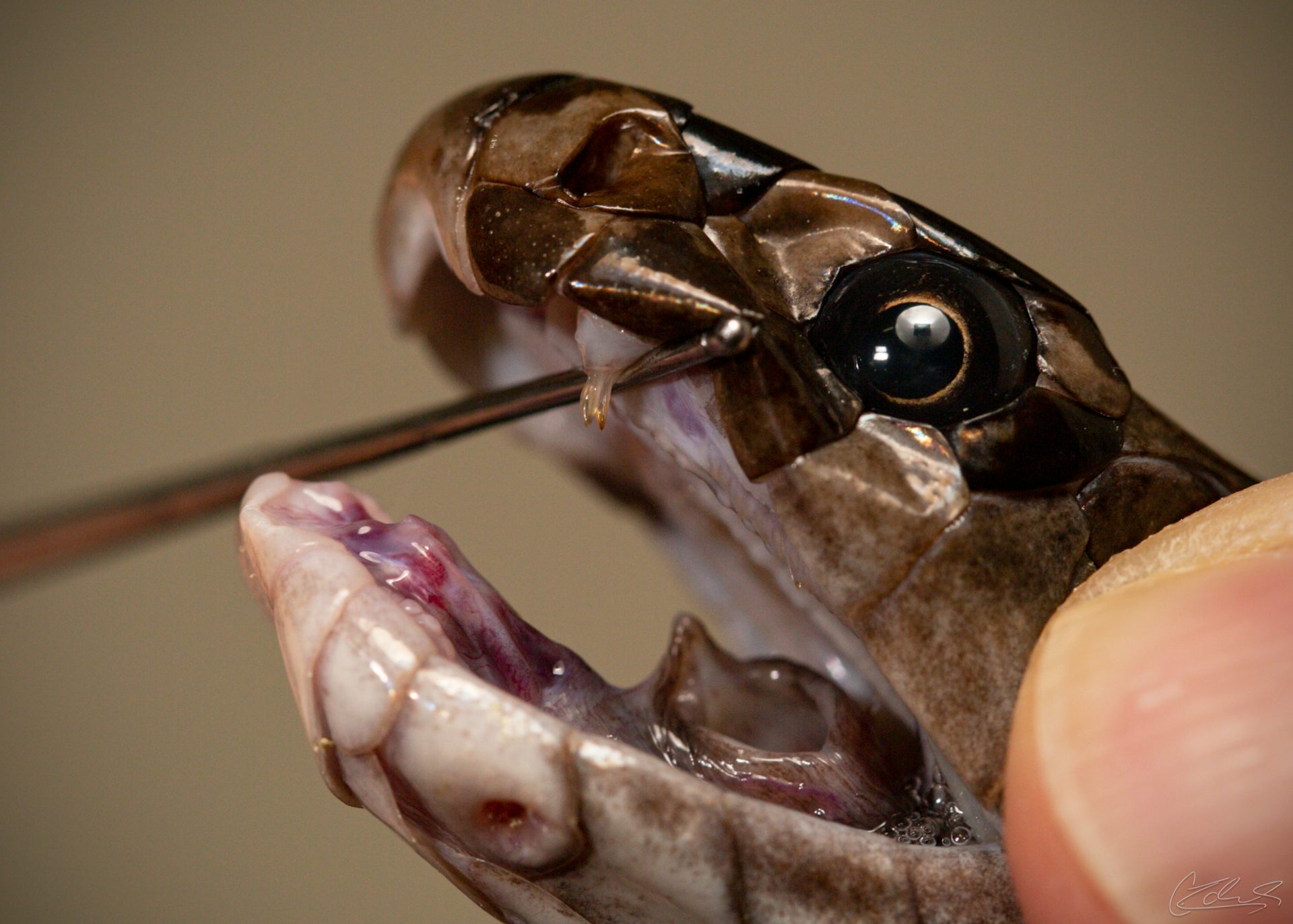
Stay on Designated Trails: Stick to significant courses while hiking or walking through bushland. This minimizes your chances of mistakenly stepping on a snake.
Be Cautious around Water: Numerous serpents are located near water sources. If you're near lakes or rivers, tread very carefully and stay vigilant.
Keep Your Distance: If you see a snake, give it area and avoid approaching it; several attacks occur when people try to deal with or catch snakes.
Educate Yourself on Local Species: Familiarize on your own with the kinds of serpents in your location-- understand which ones are poisonous (like the tiger snake) and which ones are harmless.
Use a Strolling Stick: When going through tall grass or underbrush, using a stick can assist poke around in advance of you, possibly signaling any type of neighboring serpents without placing you at risk.
Watch Where You Sit: Prior to settling for a break in nature, inspect your environments completely-- snakes typically seek shelter under rocks or logs.
Be Mindful at Dusk and Dawn: Several snakes are extra energetic during these times; workout additional care if you're out early in the early morning or late in the evening.
Travel in Groups: There's security in numbers! Serpents tend to prevent bigger groups of people.
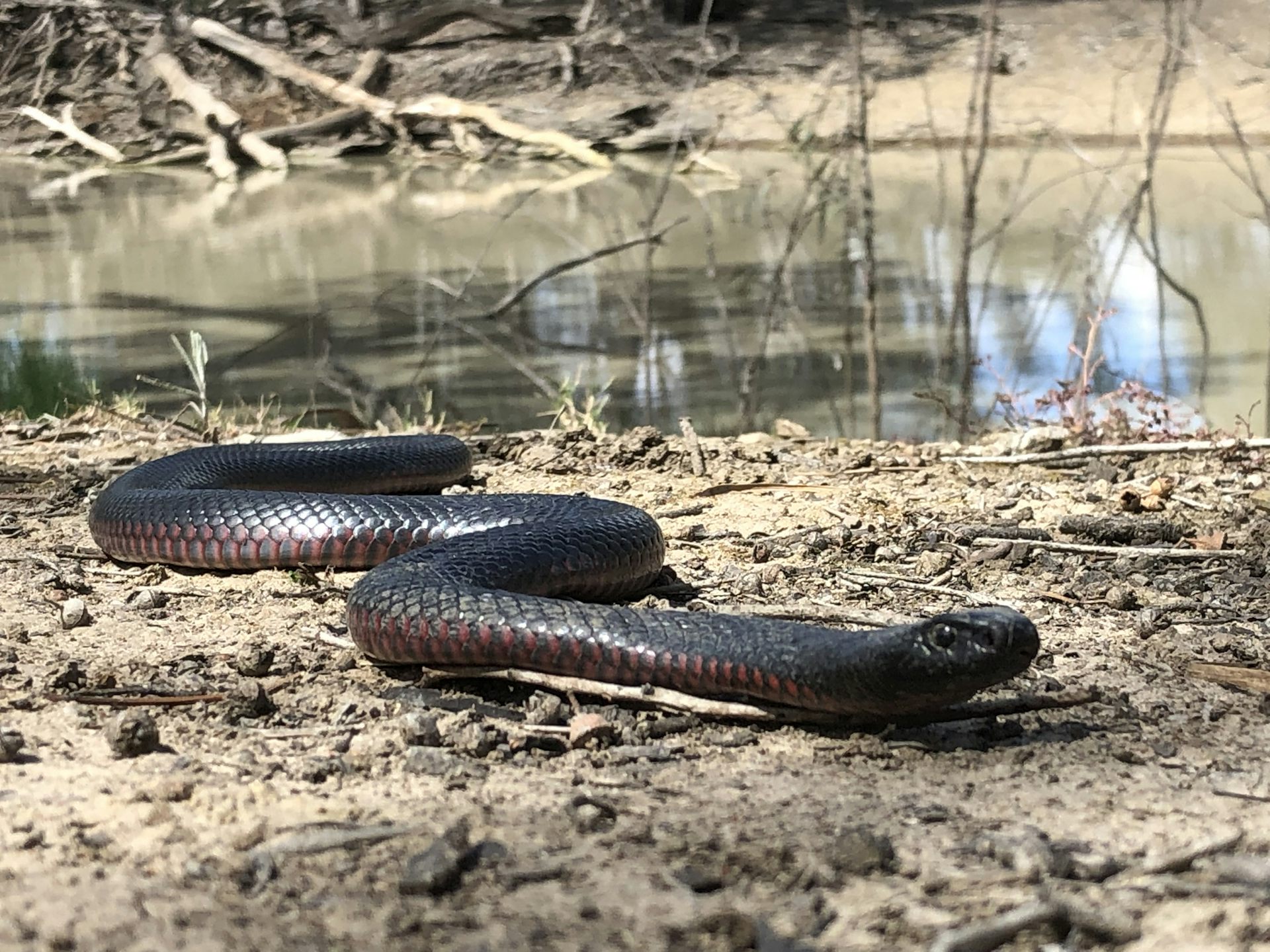
Stay Calm: If you run into a serpent, try to stay calm and slowly retreat without abrupt movements.
Identifying Common Poisonous Serpents in Australia
Tiger Snakes
What Are Tiger Snakes?
Tiger serpents (Notechis scutatus) are one of Australia's the majority of venomous species discovered throughout southern seaside areas including Tasmania.
- They vary substantially in color yet usually have actually grouped patterns that resemble those of tigers. Their environment consists of wetlands, seaside areas, and even city areas.
Eastern Brown Snakes
The Eastern Brown Serpent's Habitat
The eastern brown snake (Pseudonaja textilis) is extensively distributed throughout eastern Australia and is responsible for most of snakebite deaths as a result of its powerful venom.
- They prefer open meadows but can usually be found near human dwellings.
Common Fatality Adders
Death Adder Characteristics
The usual death adder (Acanthophis antarcticus) is understood for its ambush hunting style.
- These snakes have distinctive triangular heads and short bodies. They inhabit forests and scrublands but can also be located in suv areas.
King Brown Snakes
Are King Brown Snakes Poisonous?
The king brown snake (Pseudechis australis), despite its name suggesting otherwise, is undoubtedly venomous!
- It's recognized as one of Australia's most dangerous species. Typically found in deserts yet can adjust to different habitats consisting of forests.
Understanding Serpent Behavior
Behavioral Patterns of Poisonous Snakes
Understanding exactly how serpents act can dramatically reduce your threat of encounters:
Nocturnal vs Diurnal Behavior:- Some varieties like tiger serpents are diurnal (energetic during the day), while others such as death adders may be nighttime (energetic during the night).
- Snakes might coil up defensively when intimidated; recognizing this behavior helps determine whether they really feel cornered or agitated.
- Many Australian serpents have actually advanced colors that enable them to mix into their atmospheres efficiently; hence being watchful is essential when moving with bushland or long grass.
First Aid for Serpent Bites
Immediate Tips Adhering to a Snake Bite
In case you're attacked by a serpent, quick activity is essential:
Call for Emergency Assistance:- Dial emergency solutions quickly if a person is attacked by a snake.
- Encourage them not to panic; continuing to be calm helps slow down heart rate which decreases poison spread.
- Use a splint if offered; keep the affected limb still listed below heart level.
- Swelling may happen; loosening up clothes may avoid tightness from swelling tissues.
- These approaches can aggravate tissue damages rather than helping.
- Continuously check breathing and awareness up until emergency situation personnel arrive.
Creating Your Own First Aid Package for Snake Bites
Australian snake habitatsA fully equipped first aid package need to consist of:
|Product|Function|| ------------------------------|------------------------------------------------------------|| Compression plaster|To debilitate limb|| Splint|To sustain injured area|| Antibacterial wipes|For cleansing wound (if needed)|| Emergency situation call information|For alerting emergency situation services|| Directions for first aid|Clear steps outlined for managing snake attacks|
FAQ Section
1. What must I do if I see a snake while hiking?
If you see a serpent while hiking, remain tranquil, slowly pull back from it without abrupt movements-- serpents typically choose to prevent humans!
2. Are all snakes in Australia venomous?
Not all Australian serpents are poisonous; however, numerous do possess some degree of toxicity so it's vital constantly to exercise caution around them.
3. How can I tell if I've been bitten by a venomous snake?
Symptoms consist of pain at bite site, swelling within minutes, staining around bite area, nausea/vomiting; looking for clinical focus immediately is critical no matter symptoms!
4. Is there an antivenom available for all types of Australian serpent bites?
Yes! Australia has developed antivenoms tailored specifically for different types' poisons including tiger serpents & & eastern brown serpents among others!
5. Can I endure without treatment after being attacked by a toxic snake?
It's extremely unlikely! Looking for immediate clinical support significantly enhances survival chances post-bite regardless of perceived severity!
6. What season are serpents most active?
Snakes tend to be much more active throughout warmer months-- from late spring via very early autumn-- making outdoor recognition crucial during this period!
Conclusion
Australia's varied communities offer unique opportunities for exploration however with that said comes obligation-- especially concerning wildlife encounters such as those with poisonous snakes! By adhering to proper safety preventative measures laid out above-- from putting on suitable clothes & & footwear while hiking via natural environments-- to understanding specifically what actions need taking needs to a regrettable case like getting bitten happen-- you'll take snake bite symptoms - skillstrainingcollege.com.au full advantage of both satisfaction & & safety and security during outside activities!
Remember always: Understanding conserves lives! Accept journey with understanding securely at hand as you explore Australia's sensational landscapes-- securely navigating nature's marvels without fear!
Explore sensibly today-- your following experience waits for amidst gorgeous Australian wilderness including life!
This short article functions as a considerable overview on staying clear of snake attacks different types of snakes while taking pleasure in exterior tasks across Australia-- a crucial read whether you're a skilled traveler or just starting out on your journey into nature's heartland!